A field device is an autonomous agent's first target
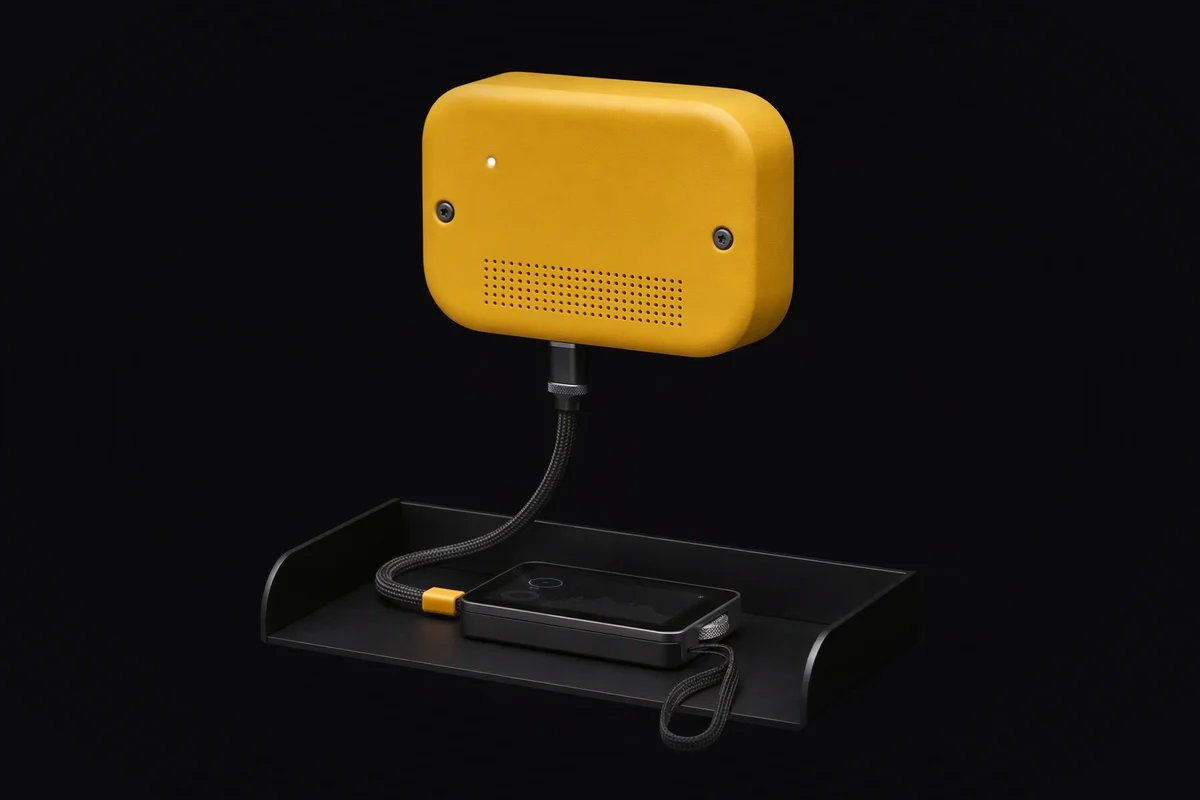
A small computer hangs in the cabinet by the gate. Someone fitted it three years ago to lift the barrier and record the camera. It has its own management panel at an address reachable from the internet, because that was easier for the service technician. The password is the one it had on installation day. The last update was loaded by the installer before he drove off.
In three years nobody has broken into it. Not because it was secure. Because nobody could be bothered to look for it.
The real cause: looking stopped costing anything
This year brought ARTEX: an open-source penetration-testing system in which the human operator’s work is taken over by several agents driven by a language model. One agent, the planner, breaks a goal into steps and hands them out in order. Several workers each take one step and carry it out with real tools. Everything they find goes into two graphs: one records what exists, the other what has already been tested. Every change in a graph wakes the planner, so the loop drives itself until the goal is reached.
The tool was built for testing with the owner’s consent. In October 2026, however, a campaign was described in which an unknown actor turned it on financial institutions in South Korea. A Cloud Security Alliance research note summarises it. Investigators stressed that the tool did not act on its own; a person ran it. ARTEX originated in the Autumn-27/ARTEX repository on GitHub; many forks circulate today. Defensive material was published alongside one of them: an account of what such an attack looks like from the defender’s side and how to recognise it.
That material holds the sentence that matters most to anyone with hardware in the field. Such an agent’s first target is “not a clever zero-day”. It is a known vulnerability nobody patched, and the auxiliary systems: the ones that sit beside the main service and get forgotten. The agent builds its own inventory of what is exposed and works through it without tiring and without breaks.
The cabinet by the gate fits that description on every count.
Why a small device makes a convenient way in
It has its own management panel. A camera, a controller, a recorder, a label printer, a sensor gateway. Each carries a small server with a login form. It is the same kind of admin console a large system has, except nobody takes it seriously.
The password is shared or factory-set. One password for every unit of a type is known to the installer, the technician and anyone who ever worked with them. You cannot take it away from one person without changing it everywhere, so nobody changes it.
An update needs a visit. If a fix has to be loaded by hand, on site, from a laptop, it will not be loaded. A flaw described in public a year ago is still there.
It listens from the internet because that was easier. A forwarded port or a public address saved someone one trip. From that moment the device is visible to anyone sweeping the network, and an agent sweeps all of it.
It sits on the same network as everything else. The cabinet by the gate is rarely the target. It is the corridor. If the device can see the file server and the office computers, taking the barrier means walking into the company.
Nobody reads its logs. The defensive material published alongside one of the forks stresses that fixed signatures fit this kind of attack poorly, because the agent shapes each request to the situation. Behaviour gives it away: one source that enumerates addresses, probes parameters and tries to log in, one after another, takes no breaks and answers a refusal with more variations. To see that, someone has to be collecting the records.
What to do instead: rules for hardware that lives outside the office
This is how we design KyberDeck, and how we suggest you look at every device you already own.
The device does not listen from the internet. Field hardware opens the connection to your node itself and does not wait for inbound connections from outside. The management panel is reachable locally or over your private network. What does not answer cannot be enumerated.
A device identity instead of a shared password. Every unit has its own key, ideally held in a hardware element. You revoke a lost or suspect unit in one move and the rest keep working. We describe this in the piece on a lost deck.
Signed, reversible updates. The device accepts only a system image signed by its publisher, installs it whole and falls back to the previous one if the new one does not come up. Only then can an update be sent without a trip and without fear, which means often. That is the system described in one system from the wrist to the rack.
Fewer services on board. Every program that listens needs patching. A device with one job should run only what that job needs.
A network of its own. Field hardware sees its node and nothing else. Taking over one device then has an edge. The same rule, applied to programs rather than hardware, is in KyberCell explained.
The record stays, and someone reads it. Login attempts and connections go to the node and are kept there for longer than a week. An agent-driven attack is fast, so afterwards all you have is what was written down.
Honest limits
KyberDeck is pre-launch and it is not a security product. It does not detect ARTEX, does not block attacks and does not replace a firewall or monitoring. None of the rules above makes a device immune. They shorten the list of things that can be found and limit the damage when something is taken. A device with signed updates can still have a flaw. The difference is that the fix can go out the same day. The tool in question does have its own approval gate for commands, but its settings belong to whoever operates it, so someone else’s caution is nothing to count on.
A test you can run today
Take a sheet of paper and make an inventory. It takes an hour in a small company and fifteen minutes at home.
- List everything that has a network interface and is not a computer or a phone. Cameras, recorders, routers, printers, gate and heating controllers, terminals, sensors. Your router’s list of connected devices will help you find the forgotten ones.
- Next to each, write the date of its last update. If you cannot find out, write “don’t know”. That is an answer too.
- Mark the ones that can be reached from the internet. Check port forwarding on the router and any remote access switched on in the maker’s app.
- Mark the ones with a factory password or one shared with other devices.
A device with marks at 3 and 4 and “don’t know” at 2 is your cabinet by the gate. Start there: turn off outside access, change the password, load the update. If the maker no longer issues any, the device belongs on a separate network or on the replacement list.
The hardware forms designed to these rules are on the KyberDeck homepage.
Sources
- ARTEX originated in the Autumn-27/ARTEX repository on GitHub; many forks circulate today. The defensive conclusions come from material published alongside one of them.
- Cloud Security Alliance, research note on the use of ARTEX, labs.cloudsecurityalliance.org.
The account of the campaign comes from reporting and investigators’ findings that may still change. The design rules and the test are ours.
- security
- updates
- identity
- on-device
- KyberDeck