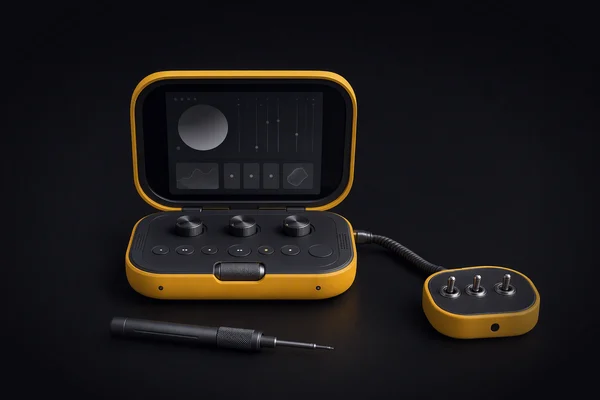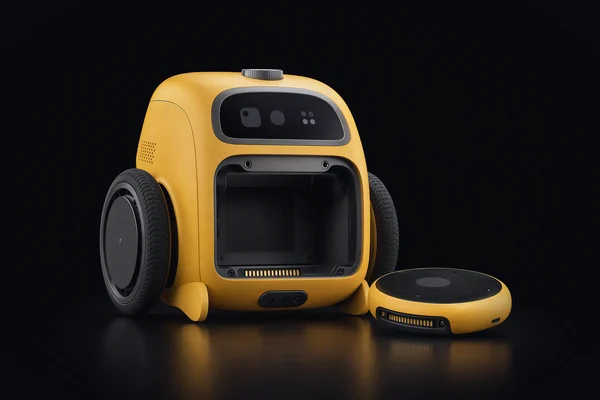
A robot is a deck with wheels
A household robot should not be a stranger with its own account and a map of your home. It should be another body for the assistant that already knows you.
- robots
- KyberDeck Core
- safety
Notes from building the hardware your personal SI lives in: five forms, building your own, robots, the home node, and devices that do not report on you.
A household robot should not be a stranger with its own account and a map of your home. It should be another body for the assistant that already knows you.
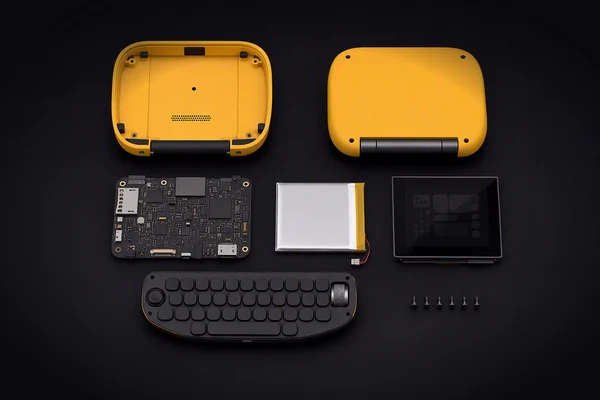
A weekend plan for a cyberdeck that is yours down to the microphone. The SDKs are not released yet, so the commands are illustrative; the habits are not.
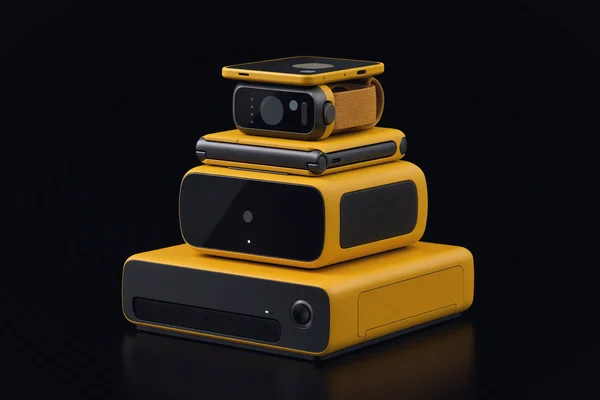
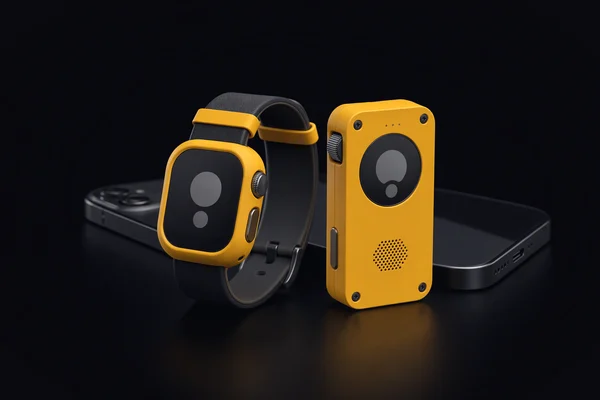
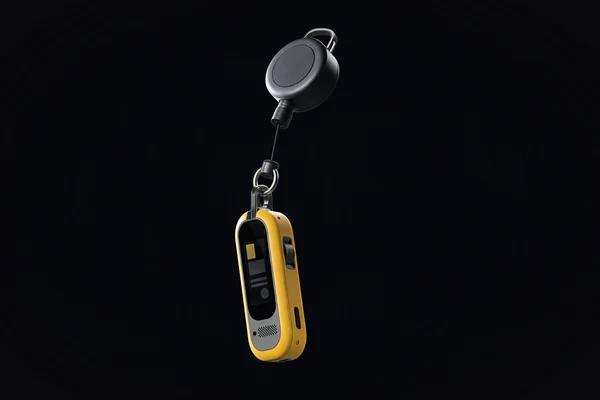
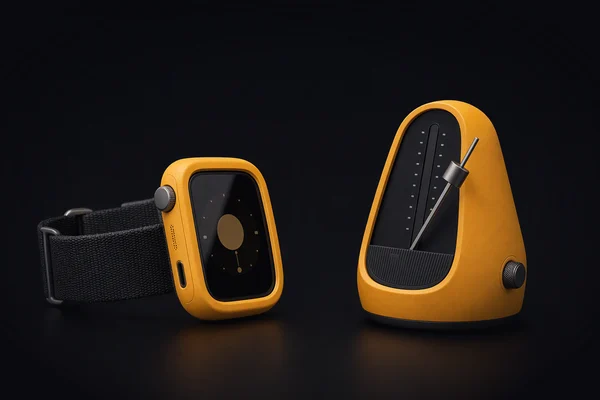
A card, a band, a pocket deck, a home node and a robot module: why one assistant needs five bodies, what each one is for, and which ones you can build yourself.
Most connected devices report on their owners by design: telemetry, accounts, cloud processing. This is what hardware looks like when there is nothing to report.
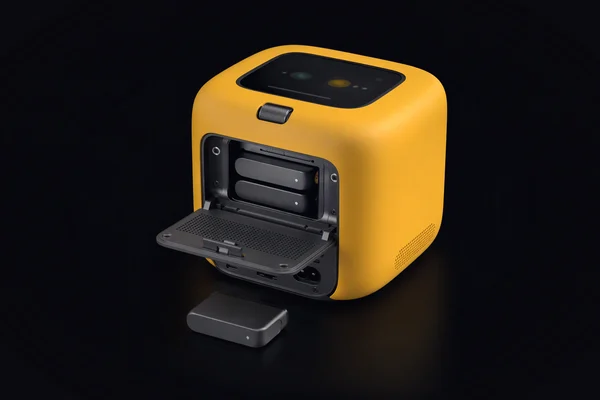
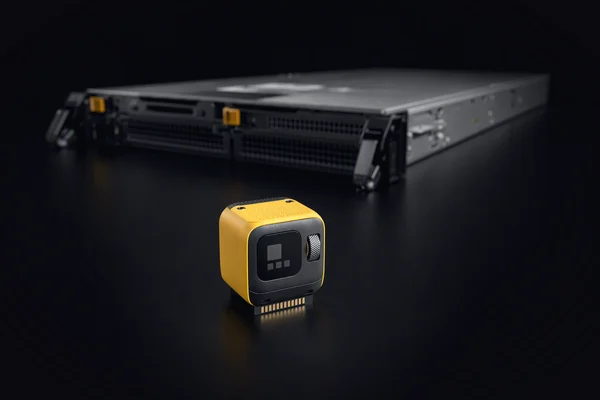
Carried devices are small on purpose, so something has to remember. Why your assistant's long memory belongs on a shelf at home, not in a vendor's cloud.
The phone is a superb consumer device and a poor home for something acting on your behalf. The mismatch is in the business model, not the hardware.
The work a carried device actually does is capture, extract, classify and decide what matters. None of that is where frontier models earn their price.
Everyone already carries one, nobody notices it, and it is the only device that is socially acceptable everywhere. That is a remarkable set of properties.
Below a couple of hundred milliseconds an interaction feels like part of your thinking. Above a second it becomes a task you decide whether to bother with.
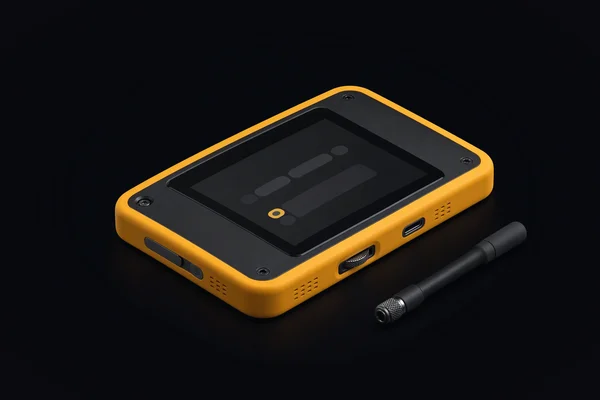
The cyberdeck in fiction was an operator's tool: a way to reach systems that belonged to you. That distinction is the entire design brief.